

Fitness doesn’t happen in a vacuum. How you sleep, how you handle stress, how much you sit at work and how you get through a Winnipeg winter shape your results more than any single workout. This guide collects the practical wellness tips we give our personal training clients every week — sleep, stress and mood, daily energy, desk-job damage control, seasonal living, and staying on track through travel and holidays. Pick one thing, do it consistently, then add the next.

Sleep: The Foundation Everything Else Sits On
If we could fix one habit for a new client, it would be sleep. Adults generally need 7–9 hours a night to support training recovery, immune function, memory, attention and appetite regulation. Chronic short sleep works against every fitness goal you have.Sleep habits that work
- Go to bed and wake up at the same time daily, weekends included.
- Turn off screens at least an hour before bed — read a book instead.
- Keep the bedroom cool (around 18°C) and dark — blackout blinds or a sleep mask.
- Skip caffeine and sugary foods in the evening.
- Use a real alarm clock so your phone stays out of the bedroom.
- Exercise regularly — training reliably deepens sleep quality.
Waking up earlier (without hating it)
Don’t shift your wake-up time by two hours overnight; make small changes gradually. Put the alarm across the room, open the blinds (or use a light lamp) the moment you’re up, and do a few minutes of mobility work to get blood flowing. Consistent training deepens sleep — which is what actually lets you bounce out of bed instead of dragging yourself.A morning routine worth keeping
Keep it boring and repeatable: same wake time, light, water, a little movement, a breakfast with protein. Some people like a compressed eating window such as intermittent fasting, but it’s a preference, not a requirement. Hungry late at night? Drink water and wait twenty minutes.Stress, Mood and Mental Balance
Unmanaged stress shows up everywhere: sleep, blood pressure, food choices, motivation. The trap is quick fixes — junk food, alcohol, endless scrolling — that feel good for an hour and make everything worse by tomorrow.Exercise is your best stress tool
Physical activity is the fastest, most reliable stress reliever we know. It releases endorphins, lifts mood and energy, and shifts you from “giving up” to problem-solving. Resistance training, a bike ride, a swim, a run, a hike or a walk with a friend all count — the key is doing something most days. Round it out with ten minutes of daily meditation, less screen time and caffeine, a balanced diet, real social time and basic self-care.Mood boosters that cost nothing
Three things move mood reliably: daily vitamin D (sunlight, food or a supplement), a workout sweaty enough to trigger endorphins, and regular plans with people who make you laugh. Even smiling more often is associated with lower stress, better mood and reduced perceived pain. A positive outlook works similarly: optimists manage stress better, show lower depression risk and solve problems more creatively.Finding balance
Health isn’t only physical — it’s mental, emotional, social and creative too. Clients with the best long-term results usually have a creative outlet, regular exercise and a schedule that doesn’t absorb every new project. If your calendar is why you can’t train, the calendar is the thing to fix — see our fitness motivation and consistency guide.Wellness Tips for All-Day Energy
Most low-energy days are self-inflicted and fixable. The best wellness tips for energy are unglamorous: exercise consistently (the biggest lever, even when it feels like the opposite), drink water from the moment you wake, eat a real breakfast built around protein, fruit and vegetables, cut ultra-processed food and sugar, get morning sunlight, and use yoga or breathing exercises on fumes-only days.Beating the mid-afternoon slump
The 2 p.m. energy drop usually traces to poor sleep, a sugary lunch or no morning movement. Train earlier in the day, shut off electronics an hour before bed, and keep processed carbs out of lunch. A five-minute walk beats a second coffee.General health basics
When it all feels overwhelming, return to fundamentals: water throughout the day, fruit or vegetables with every meal, nuts and seeds, fibre-rich foods for gut health, limited ultra-processed food, enough sleep. Build the plan around your own needs, not the internet’s latest trend. If food is the sticking point, our customized meal plans remove the guesswork.Desk Jobs: Undoing the Damage of Sitting
“Sitting is the new smoking” is dramatic, but the problem is real: long, uninterrupted sitting is hard on your back, hips, circulation and energy. One 15-year commuter study found people who cycled to work — about 15 minutes each way — were roughly 40% less likely to die during the study period. Inactivity creeps in quietly; push back on purpose.Three fixes for desk workers
- Break up the sitting. Take calls walking, stand every hour, fit in a 15-minute workday walk.
- Change the workstation. A standing desk — or an exercise ball chair part of the day — keeps your core working.
- Take real breaks. Five minutes away from the screen relieves your mind, neck and shoulders.
15-minute office workouts
“No time” is the top excuse we hear, so recruit a colleague for accountability and use workouts that fit a coffee break:- Stairwell circuit: climb one flight, then 15 squats and 15 push-ups; repeat 8 rounds.
- Outdoor intervals: 30 seconds brisk walk or run, 50 air punches, 20 alternating reverse lunges; repeat 8 rounds.
- Mobility block: 15 minutes of stretching to undo the chair posture.
Staying Well Through Winnipeg’s Seasons
Life here means real winters, short December days and hot summers. Your wellness routine has to flex with the calendar, not fight it.Seasonal low mood and winter blues
Seasonal affective disorder (SAD) and milder winter low mood are common — by some estimates up to 20% of people notice low energy, oversleeping, flat mood or social withdrawal as daylight shrinks, likely tied to circadian rhythm and serotonin/melatonin shifts. If symptoms are significant, see a health professional. Alongside that: exercise daily, use a morning light therapy box, get outside when the sun cooperates, book social plans in the fall so winter doesn’t empty your calendar, keep a consistent schedule, and limit alcohol — it’s a depressant.Winter activity, done safely
Hiding indoors until April is a health plan of its own — a bad one. Skating, cross-country skiing, snowshoeing, winter hiking and downhill skiing all keep you moving. Prepare properly: breathable, sweat-wicking layers you can shed; toque, gloves and warm socks; water and your phone; sunglasses for snow glare; and tell someone where you’re going and when you’ll be back.Cold and flu season
To lower your odds of getting sick: eat leafy greens, get adequate vitamin D, exercise daily, sleep 7–8 hours, limit alcohol, wash your hands often and keep up with flu vaccination. When a cold gets you anyway, prioritize sleep and fluids; honey, vitamin C, zinc and nasal irrigation may shorten the misery (check with a pharmacist first), and ease back into training rather than jumping into hard sessions.Spring and summer: take it outside
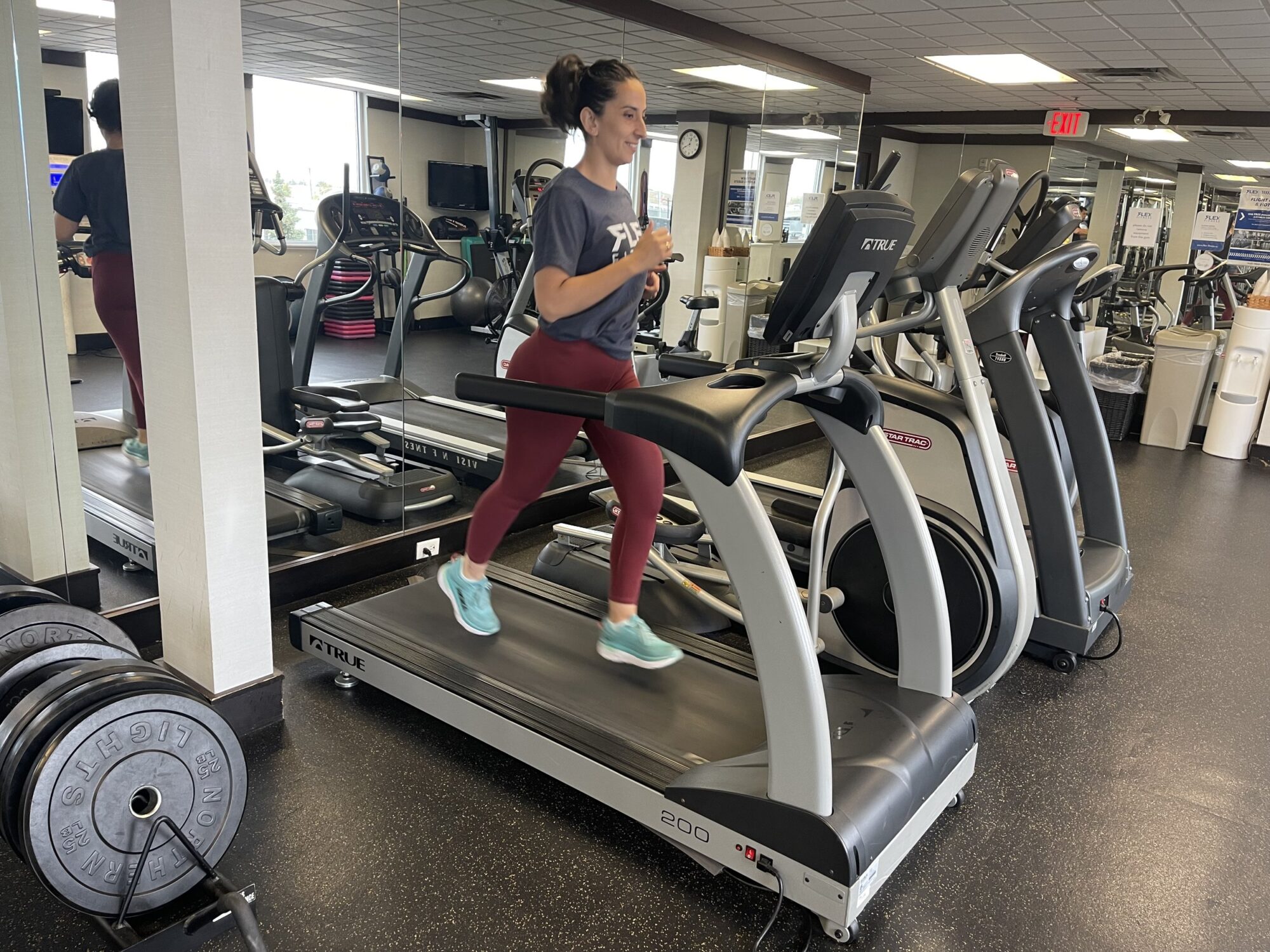
Outdoor exercise gives you what a treadmill can’t: wind resistance and varied terrain that burn more calories, natural vitamin D, and a measurable stress drop within about five minutes outside. Spring needs little gear — supportive shoes, water, sunscreen and layers, plus optionally a kettlebell, suspension trainer, resistance bands, a yoga mat or a park pull-up bar. In summer heat: hydrate before, during and after (add electrolytes past the one-hour mark), seek shade or wear a hat, use high-SPF sunscreen, and finish with stretches held 30 seconds or more.Travel, Vacations and the Holidays
Trips are where routines go to die — unless you plan lightly. People who stay active on vacation are far more likely to keep their goals afterward; 20–30 minutes most days protects the habit.Pack a travel workout kit
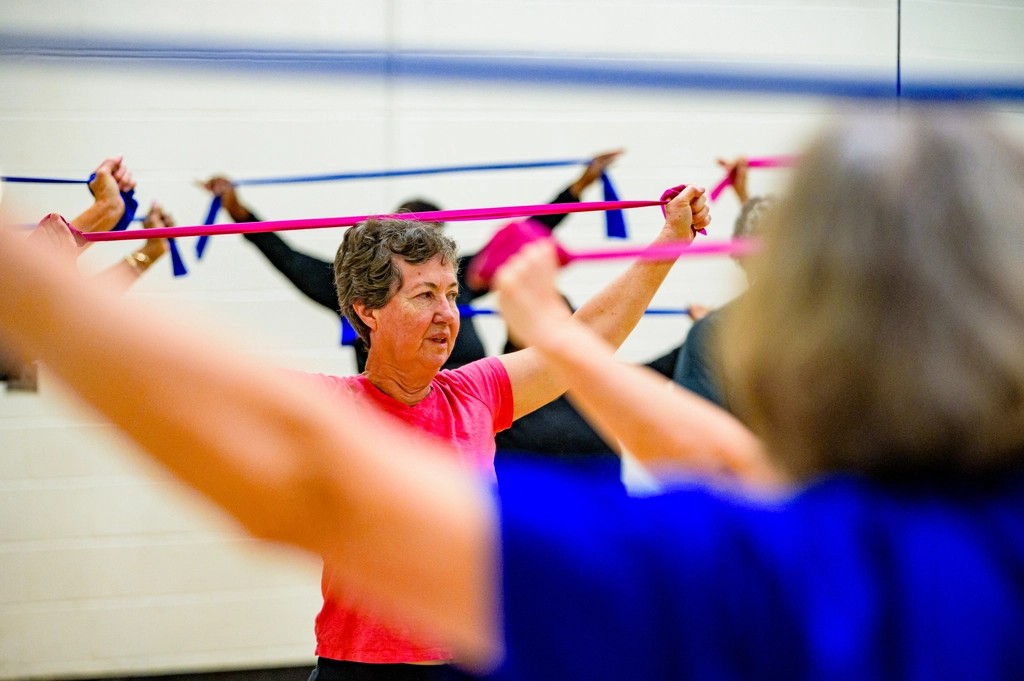
Hotel gyms rarely match the photos, so bring a plan that fits in a suitcase: lightweight training shoes, workout clothes, resistance bands, a skipping rope, a suspension trainer that hooks over a door or post, earbuds and a water bottle. That covers strength, cardio and mobility anywhere.Stay active without living in a gym
Choose active sightseeing — hiking, cycling, swimming. Use transit and your feet instead of driving everywhere. Travel with an accountability partner, and stretch 15 minutes a day to undo the planes and hotel beds. The goal is momentum, not personal records. If you travel often, group training — in-person when you’re home, virtual when you’re not — keeps the program running.Protecting your mood through the holidays
The holidays are joyful and stressful at once. What keeps clients steady: hold onto your regular sleep, exercise and downtime routine; be social on a realistic schedule that doesn’t exhaust you; limit alcohol; and set a spending budget so January doesn’t arrive with a financial hangover.Make It Stick
Wellness isn’t a 30-day challenge — it’s ordinary habits repeated for years: sleep on a schedule, move every day, manage stress on purpose, break up the sitting, adapt to the season, travel with a plan. If you want help turning these wellness tips into a routine built around your life, our Winnipeg trainers do exactly that — in the gym, in your home or online. Book a free consultation.Frequently Asked Questions
How much sleep do I really need for health and fitness?
Most adults do best on 7–9 hours a night, consistently. Sleep is when your body recovers from training and daily stress, and it supports immunity, memory, mood and weight management. Consistent bed and wake times, a cool dark room, and no screens for the hour before bed make the biggest difference.What helps with low mood during Winnipeg winters?
Daily exercise, morning light (sunlight or a light therapy box), a consistent schedule, planned social time and limiting alcohol all measurably help with seasonal low mood. If symptoms are strong or persistent, see a health professional — these habits support treatment, they don’t replace it.How do I stay active with a desk job?
Break up sitting every hour, walk 15 minutes during the workday, consider a standing desk, and use short 15-minute circuits — stairs, squats, push-ups, lunges — on breaks. Frequent small doses of movement beat one occasional long workout.Should I work out on vacation?
Yes, but keep it light: 20–30 minutes most days is plenty. Pack resistance bands, a skipping rope and good shoes, choose active sightseeing, and stretch daily. Staying a little active on trips makes returning to your normal routine far easier.