
Search interest in HYROX has exploded across Canada — and Winnipeg is no exception. If you’ve seen the videos of packed convention centres, sled pushes and wall balls and wondered what it’s all about (and whether you could do one), this guide is for you: what HYROX actually is, when the next Canadian races happen, and how to start training for one right here in Winnipeg.
What is HYROX?
HYROX is an indoor fitness race with a fixed format that’s identical at every event worldwide: you run 1 km, then complete a workout station — and repeat that eight times. The eight stations, always in the same order, are:
- 1,000 m SkiErg
- 50 m Sled Push
- 50 m Sled Pull
- 80 m Burpee Broad Jumps
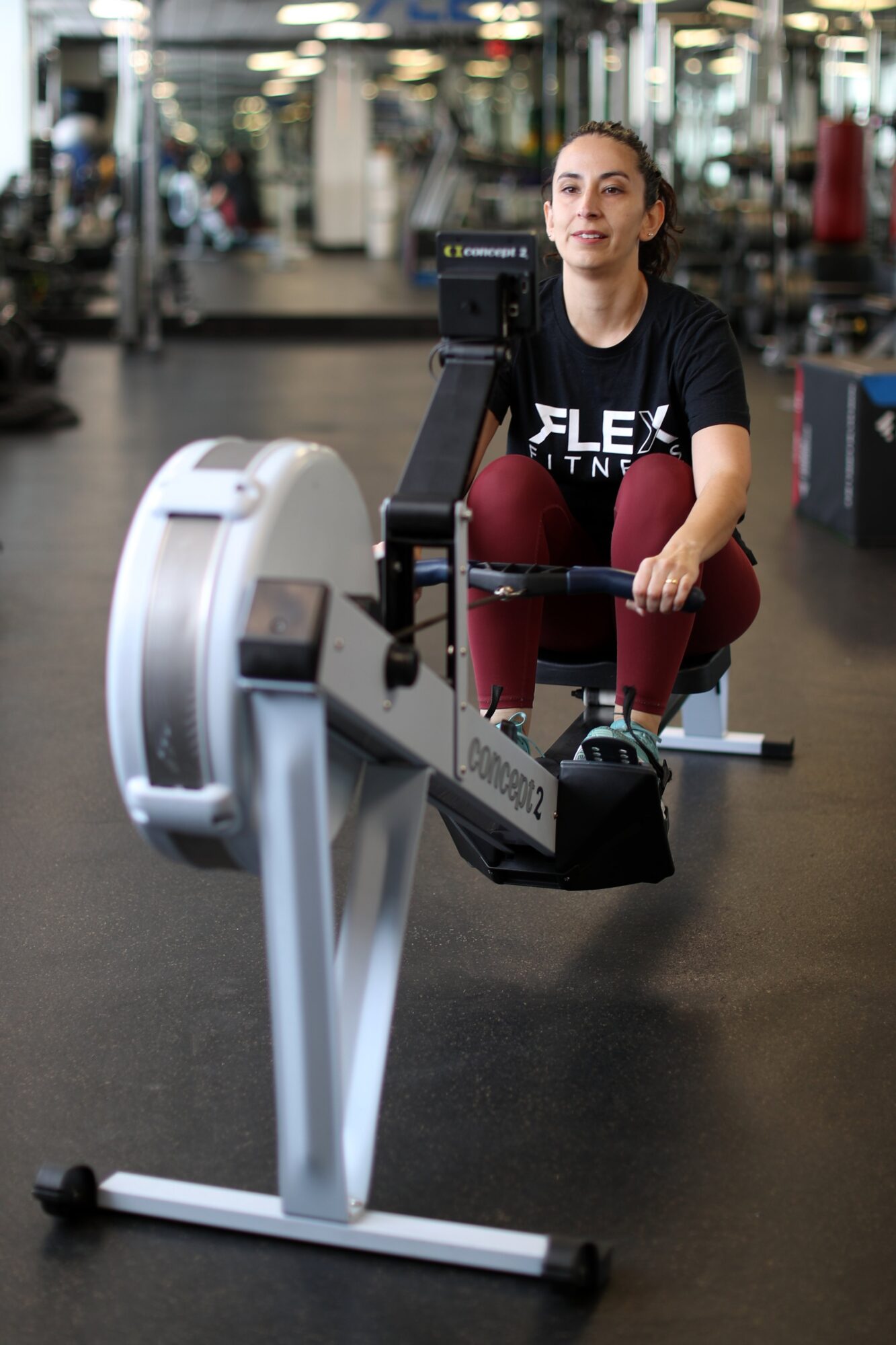
- 1,000 m Row
- 200 m Farmers Carry
- 100 m Sandbag Lunges
- Wall Balls (75–100 reps depending on division)
Because the format never changes, HYROX is a race you can genuinely train for — unlike obstacle courses full of surprises. Most first-timers finish somewhere between 90 minutes and 2 hours, and there are divisions for every level: Open (lighter weights), Pro, Doubles (share the stations with a partner), and Relay teams of four. That’s a big part of why everyday gym-goers — not just elite athletes — are signing up in record numbers.
Is there a HYROX event in Winnipeg?
Not yet. For the 2026 season, HYROX confirmed three Canadian races: Ottawa (May), Toronto (October) and Vancouver (December). Toronto’s Enercare Centre event is the closest option for most Manitobans, and races regularly sell out months in advance — so if you’re tempted, register early and give yourself a proper training runway.
The upside of no local race? Time. Winnipeggers who start preparing now will arrive at their first start line fitter than most of the field — and if HYROX keeps growing at its current pace, more Canadian cities are likely to join the calendar.
What does HYROX training actually look like?
HYROX rewards a combination that pure runners and pure lifters both find humbling: running endurance under fatigue plus strength-endurance on the stations. A good prep program trains three things:
- Compromised running. The hardest part of HYROX isn’t the stations — it’s running immediately after them. Workouts that alternate runs with sled work, lunges or wall balls teach your legs to keep moving when they’re already loaded.
- Strength-endurance. Sleds, carries and lunges don’t require a huge one-rep max; they require repeating moderate efforts for minutes at a time. Think heavy carries, high-rep squats and pushing power that lasts.
- Pacing and technique. The SkiErg and rower punish bad technique with wasted energy. Learning to hold a sustainable pace — and knowing your target splits per station — routinely saves first-timers 10–15 minutes.
A simple 12-week structure
If you’re starting from a general fitness base, twelve weeks is a realistic runway for a first HYROX:
- Weeks 1–4 — Base: 2 strength sessions + 2 easy runs per week. Build squat, hinge and carry patterns; get comfortable on the SkiErg and rower.
- Weeks 5–8 — Specific: introduce compromised running — e.g. 4 rounds of 800 m run + sled push + wall balls. Push interval paces on the erg machines.
- Weeks 9–11 — Race simulation: longer sessions chaining 4–6 stations with 1 km runs at goal pace. Practise transitions and fueling.
- Week 12 — Taper: cut volume, keep intensity short and sharp, arrive fresh.
The single most common mistake we see: treating HYROX like a running race and skipping strength work — then hitting the sled push at race weight for the first time on race day. The sleds are where unprepared athletes lose the most time (and where prepared ones gain it).
Training for HYROX in Winnipeg
Winnipeg’s climate is actually a decent match for HYROX prep: the race is 100% indoors, so winter treadmill and indoor-track blocks translate directly. What most people need help with is the part that’s hard to self-coach — sled technique, pacing strategy, and a program that balances running volume with strength work without burning you out.
That’s exactly the kind of goal our 1-on-1 personal training is built around: an assessment of where you are now, a program that fits your schedule, and a coach who adjusts it week by week — whether you’re targeting a finish line in Toronto or just want to train like a HYROX athlete for the fitness payoff. If you prefer training on your own schedule, our group and virtual coaching options cover the programming and check-ins while you put in the work.
Book a free consultation and tell us your goal — we’ll tell you honestly what it’ll take to get there.
HYROX FAQ
Can a beginner do HYROX?
Yes — the Open division uses lighter weights and there’s no cut-off pressure for everyday athletes. Doubles is an even friendlier entry point, since you split the station work with a partner. Most beginners need 10–16 weeks of structured preparation.
How long does a HYROX race take?
Elite athletes finish under an hour; most first-timers land between 1h30 and 2h. Your run pace off the stations is the biggest factor.
Where is the closest HYROX race to Winnipeg?
For the 2026 season: Toronto (October) is the most practical option, with Ottawa (May) and Vancouver (December) also on the Canadian calendar. Check the official HYROX site for registration dates — Canadian events have been selling out.
Do I need to be a runner or a lifter first?
Neither background wins on its own. Runners lose time on sleds and lunges; lifters lose it on the 8 km of accumulated running. The athletes who do best train both — which is why a structured, personalized program beats copying a generic plan.
Special Offer
$35 Personal Training Session ($85 value)
Not sure where to start? Book a first session with Alistair and we will:
- Do a complete assessment to develop a coaching plan for you
- Build a custom workout plan around your goals
- Discover where your nutrition needs assistance
Book your $35 session or call 204-997-1330.